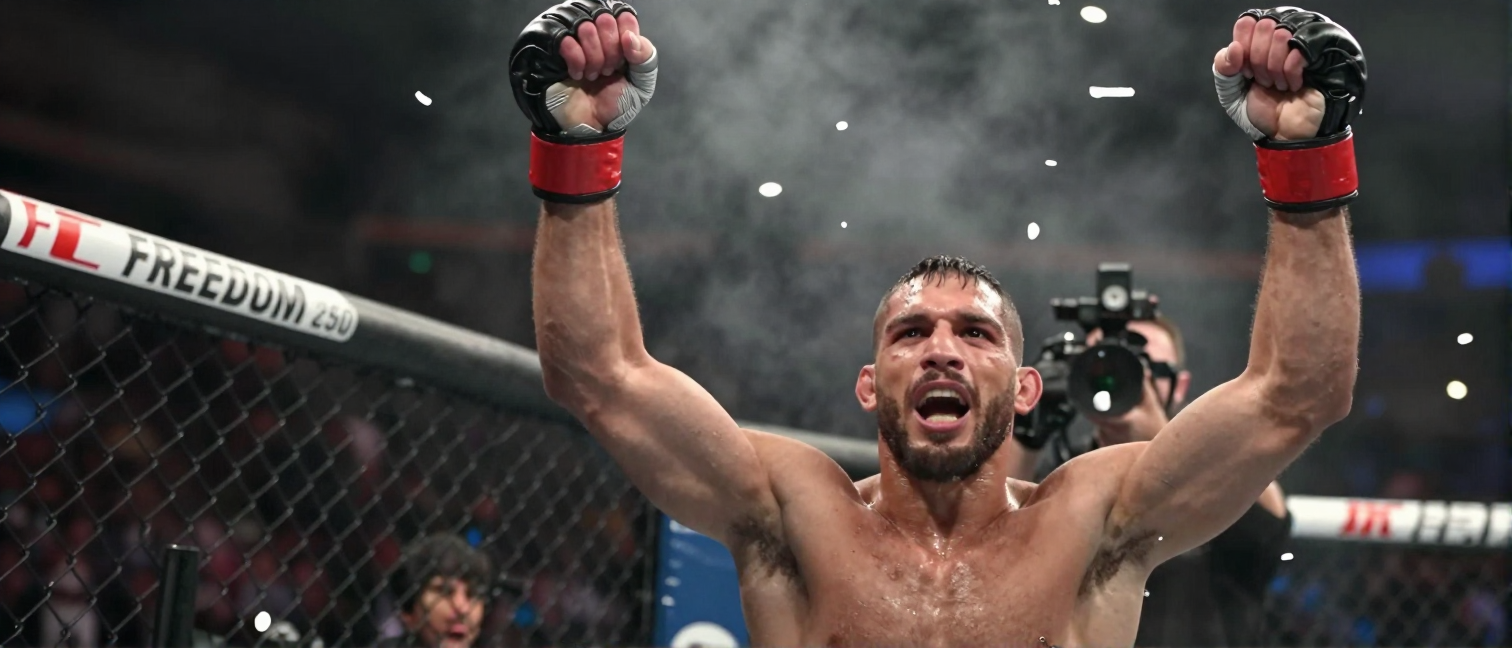
Daniel Cormier praised the unique backdrop of UFC Freedom 250 on 14 Jun 2026, saying the White House setting propelled Justin Gaethje to a shocking fourth‑round TKO over Ilia Topuria.
How did the White House environment influence the fight?
Cormier told his YouTube audience that the historic South Lawn, the birthday of the United States, and the presence of former presidents created a “visual” that “gave you goosebumps.” He argued that such symbolism can lift a fighter’s mindset, especially when the athlete is the lone American in a title bout. The commentator linked the patriotic scenery directly to Gaethje’s aggressive performance, noting the fighter’s “dog‑like” tenacity was amplified by the surroundings.
What happened in the main event?
On Sunday, Gaethje (28‑5 MMA, 11‑5 UFC) faced the unbeaten Ilia Topuria (17‑1 MMA, 9‑1 UFC) for the undisputed lightweight crown. After a brutal first two rounds, Gaethje landed a series of power shots that forced the doctor to stop the fight at 3:12 of round 4. The victory marked Gaethje’s first undisputed title and made him the only American champion on a night celebrating American independence.
Why does Cormier’s perspective matter?
As a former two‑division champion and current UFC analyst, Cormier’s insights carry weight with fans and fighters alike. He has long emphasized the mental edge that environment can provide, and his comments reinforce the narrative that fight outcomes are rarely isolated from their context. By highlighting the “birthday of the United States” and the symbolic walk past former presidents, Cormier frames the win as more than a sporting upset—it’s a cultural moment.
What does this mean for future UFC events?
Cormier’s analysis suggests promoters might lean into iconic venues to heighten drama. If the atmosphere can sway a fight’s result, we may see more high‑profile bouts staged at landmarks or during national holidays. For Gaethje, the win cements his legacy and adds a patriotic chapter to his résumé, while Topuria’s first loss could spark a rematch conversation later in the year.
How did fans react to the setting?
Social media lit up with clips of Gaethje draped in an American flag, marching past portraits of past presidents. Viewers praised the “visual” Cormier described, calling the scene “iconic” and “perfectly timed.” Attendance numbers rose sharply compared with typical UFC events, indicating that the novelty of a fight at the White House resonated beyond the usual combat‑sports audience.
What did Cormier say about Gaethje’s performance?
Cormier called Gaethje “a warrior” who fought “like a dog,” emphasizing the fighter’s relentless pressure. He also noted that the combination of “environment + opponent” created a perfect storm, allowing Gaethje to unleash his full arsenal. The former champion’s endorsement adds credibility to Gaethje’s claim of becoming the nation’s lightweight champion.
What’s next for the lightweight division?
With Gaethje now holding the undisputed belt, the division’s hierarchy shifts. Top contenders such as Islam Makhachev and Dustin Poirier are expected to line up for title shots later in 2026. Cormier hinted that the next challenger will have to “bring the same intensity” that Gaethje displayed under the historic lights.
How might this influence Cormier’s own role?
Cormier’s commentary reinforces his position as a bridge between fighters and fans. By contextualizing fights within broader cultural moments, he adds depth to UFC broadcasts. His willingness to attribute success to setting may shape future analyst narratives, making him a key voice in interpreting the sport’s evolving spectacle.